People Management in film and games
From the outside looking in, my take on people management in game development coming from a film production background.
I've been quite arrogant about game development in the past, especially when I was younger. My assumption was that since film has been around for over a century, we have the whole production thing figured out, and game developers are just running to catch up.
The core of this belief has to do with the strict hierarchy of filmmaking. You could drop me on a film set of total strangers, but if I have a question; about the toilets (Locations), walkie-talkies (Assistant Directors), umbrellas (Costume), refuse bins (Stand-by Props) etc., I know who to turn to. This is the same in post-production where every part of the process is delineated. These roles get combined on much smaller projects, but the process has been refined and defined to such an extent that it's crystallised in the culture of filmmaking; everyone knows where everyone else is meant to be. Even if Ian is doing the offline, conform and grade (normally the jobs of four people on a larger film), and I'm doing the VFX shots, we can skip straight to the right questions since I know what his process will be for the offline and the conform, so I can drop my shots in for the grade.
The real elegance of this system is that it removes a lot of the overhead of management. When you start a new project you don't need an org chart, you don't need to talk about man-hours. The structure exists before you populate it, invisibly. It informs your schedule and your budget.
Years ago when I first started thinking about how games are made (they're made by people working really hard for ages), I felt smug that they hadn't figured out their optimised system yet. They didn't have their crystallised implied structure. My belief then was that if someone fluent in that system from the film world entered the game world, s/he would clean up since it's so provably efficient.

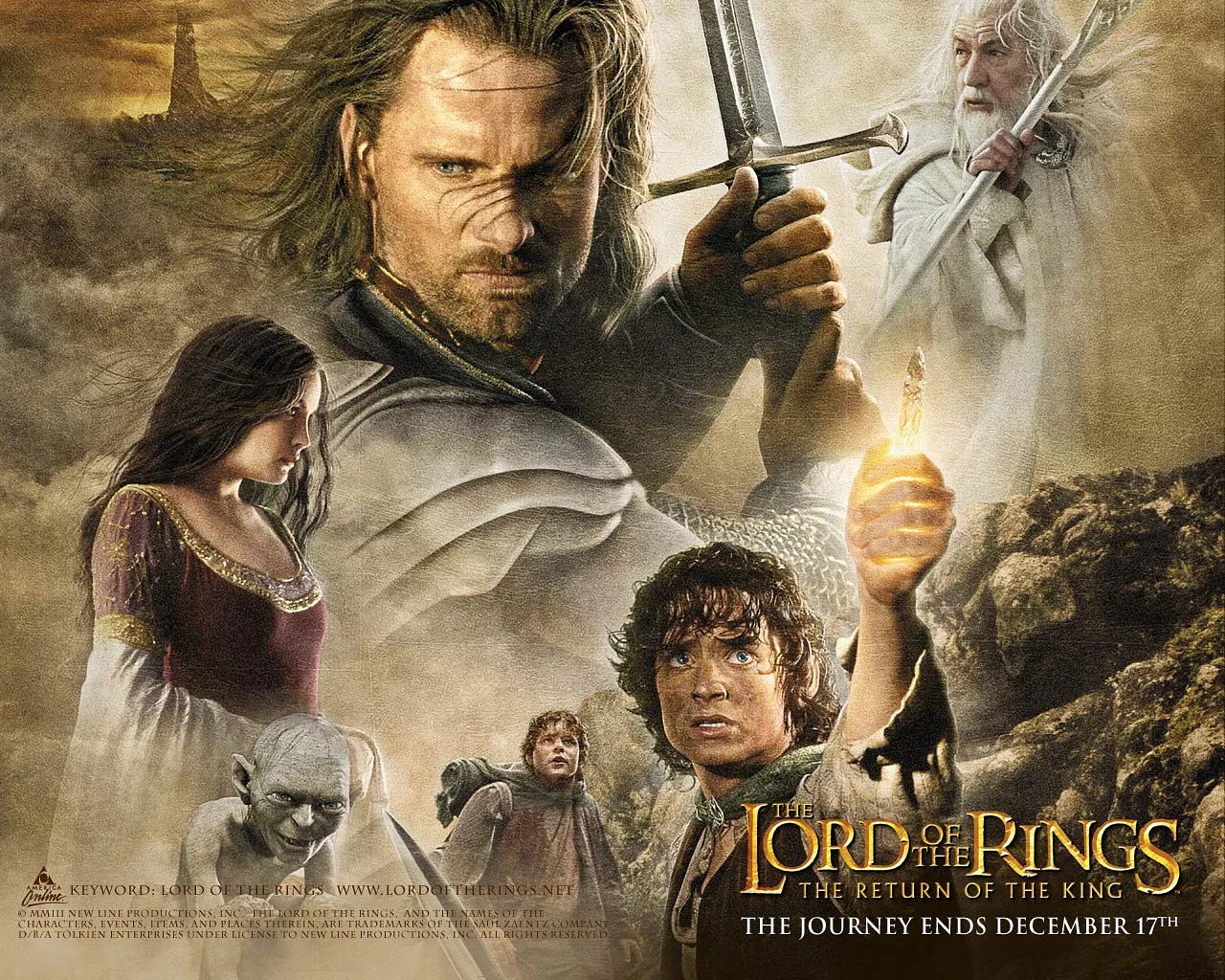
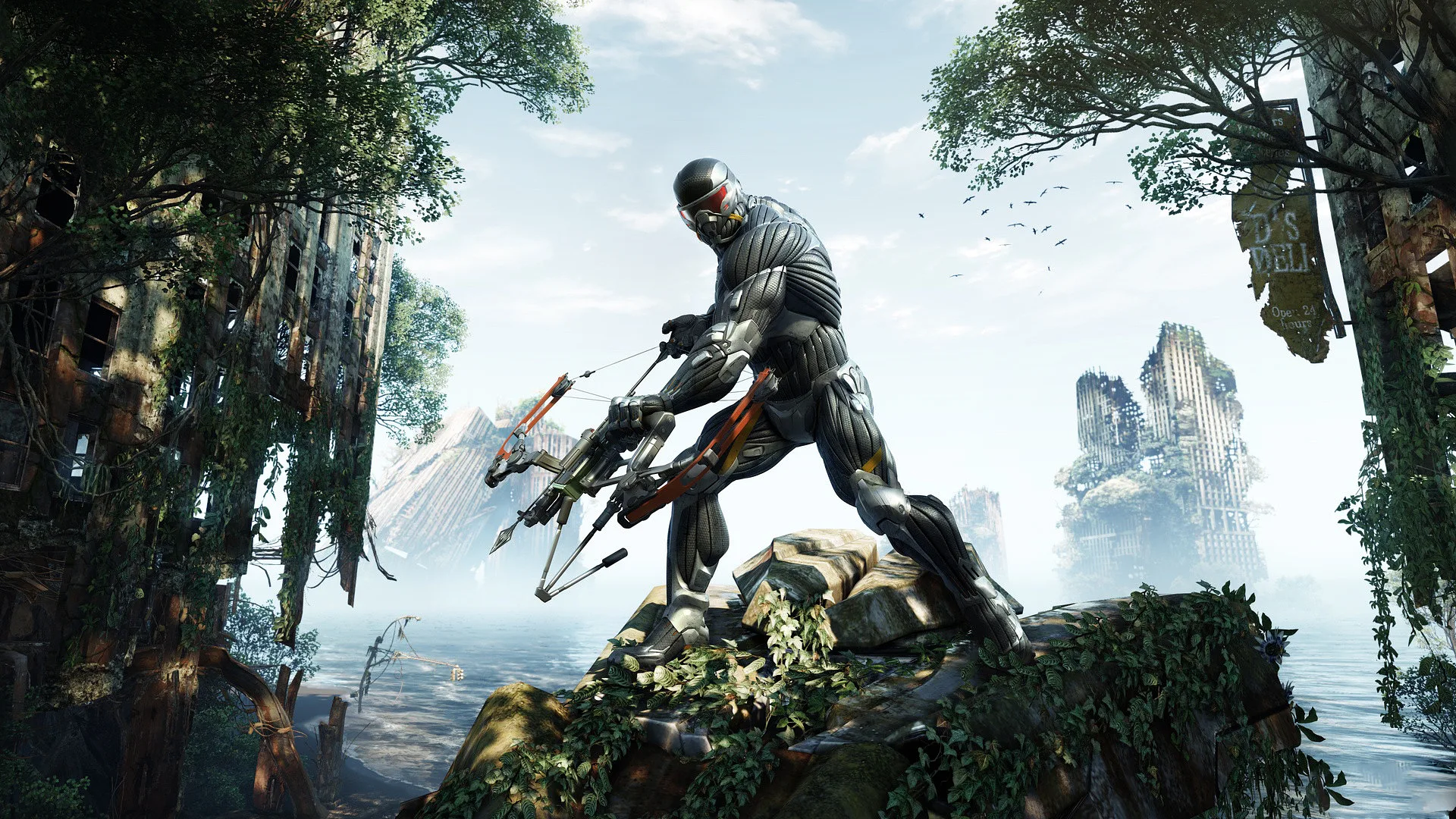
I've been meeting a few people from the Irish dev scene in the last couple of months. What strikes me about all of their projects is how completely different they are from each other. From a production standpoint, it's less like the difference between a sci-fi film and a comedy film, it's more like the difference between a newspaper or a coffee-table book. The penny has been slowly dropping for some time now that what's so exciting about game development – exploring a new creative frontier – is what's so difficult about producing them. How can the processes of Age of Empires, Crysis, Knights of The Old Republic, Sleep is Death, X-Wing and 10000000 compare to one another? As a case in point, a project like The Lord of The Rings Trilogy might seem very different to Kisses, but the logistical processes would have been exactly the same, it's just a question of granularity and scale.


Even with this very peripheral contact to the games industry, I have shed the preconception that my experience of this modular, industry-wide structure is a cure-all for game development woes, and I've realised that it's left me with a disadvantage in the realm of game development; not having any experience of org charts and man-hours will make things more difficult if and when I develop a project down the road.